Unfiltered Advice: How To Clean Up Your Act
Do you really know what “clean beauty” means?
If the Google lords have anything to say on the matter, it’s that many of you don’t and are eagerly trying to figure it out. “All natural skincare products” is a whopper of an SEO performer closely followed by “best natural skincare,” “natural skincare ingredients,” “natural skincare brands,” and the list goes on and on within the context of flooded question marks surrounding this movement.
We’re here to fill in the ‘whats?’ ‘whys?’ ‘whens?’ and all the blanks in between - tailored so that you know all about the clean formulas you’re working with to get fully prepped, educated, and confident about the products you’re putting on your skin day after day.
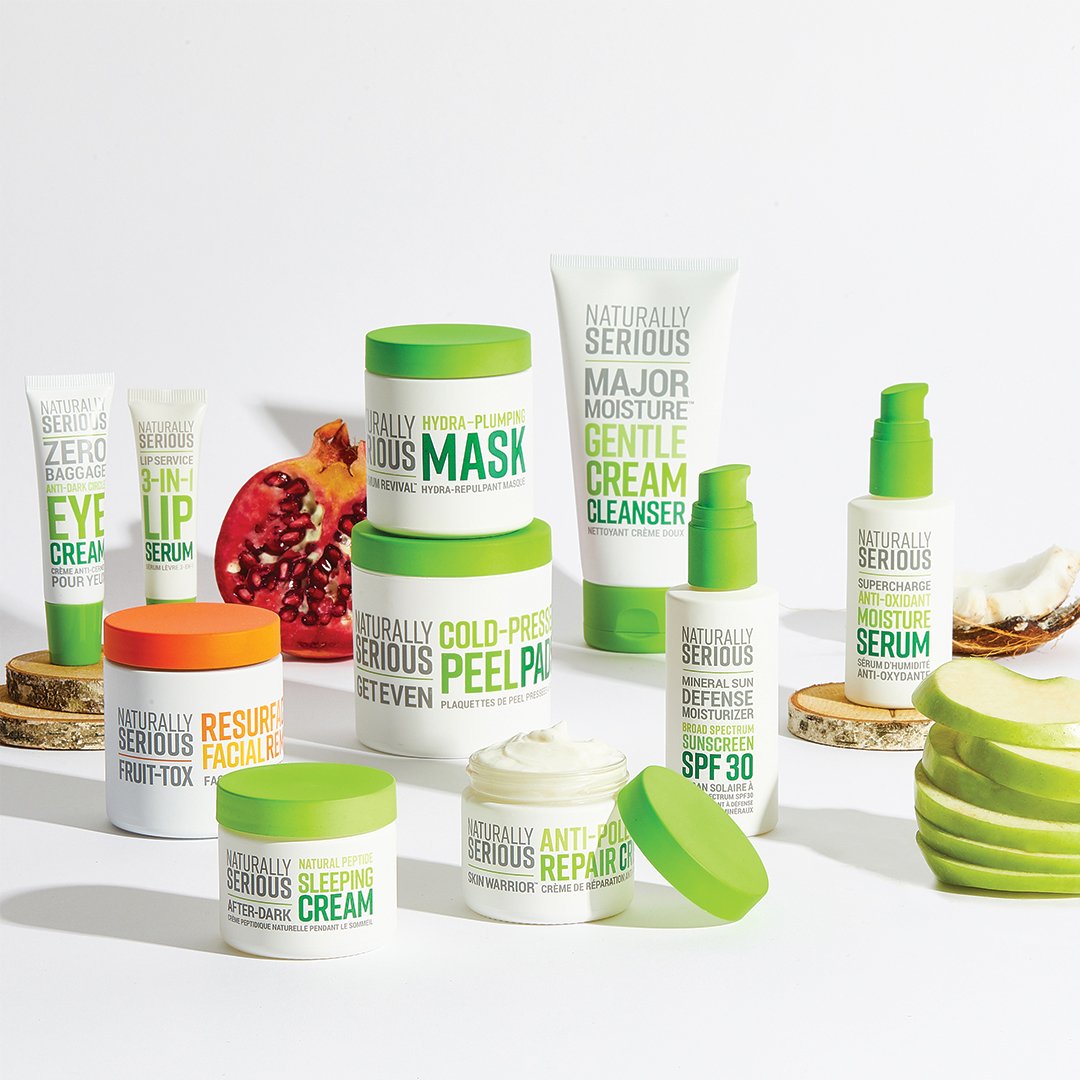
Do we love luxurious, incredible-smelling, super-effective skincare products? We do—and we make them, sell them, and talk about them. The real goal? Get the message out there—you CAN have your cake and eat it too when it comes to your skincare. For us, that means retaining an extensive No B.A.D. (Bad, Ambiguous, and Debatable) Ingredients list that goes beyond typical clean beauty standards, all whilst keeping our products effective with clinical testing.
Clean beauty products include products ethically developed and made with the health of our bodies and the environment in mind. You’re not like everyone else, and we’re not like other skincare brands. Not all skincare is created equal.
Q: What is clean beauty?
A: Clean means that there are no known toxins in the formula. Products should be transparent — meaning that every ingredient is listed. If this list turns into a whirlwind of words that you can’t pronounce, there’s your red flag. Even better, when companies list what isn’t in their products (shout out B.A.D. Ingredients), that’s also a great and easy way to scope the ingredient landscape without having to pull your high school chemistry notes out from storage.
Q: How does clean beauty differ from natural beauty?
A: Natural things can be toxic. Poison ivy and arsenic are both natural! Clean is about nontoxic, meaning that there are no ingredients in the formula that have been linked to harmful health effects.
Q: How can you identify a clean beauty product when shopping?
A: It’s something that (unfairly) takes some research. If you shop at a retailer or with a brand that is totally committed to clean beauty, that’s certainly the easiest route. However, if you’re looking at a label, scan for the biggies — it should be free of parabens and phthalates, at the very least and at the very most, here’s a handy list of ingredients that fall under our very own Banned, Ambiguous, Debatable List: Parabens, Phthalates, Preservatives, PEG, Formaldehyde, Petrolatum, Mineral Oil, Sulfates, Silicones, Drying Alcohols, Artificial Colors, Artificial Fragrances.
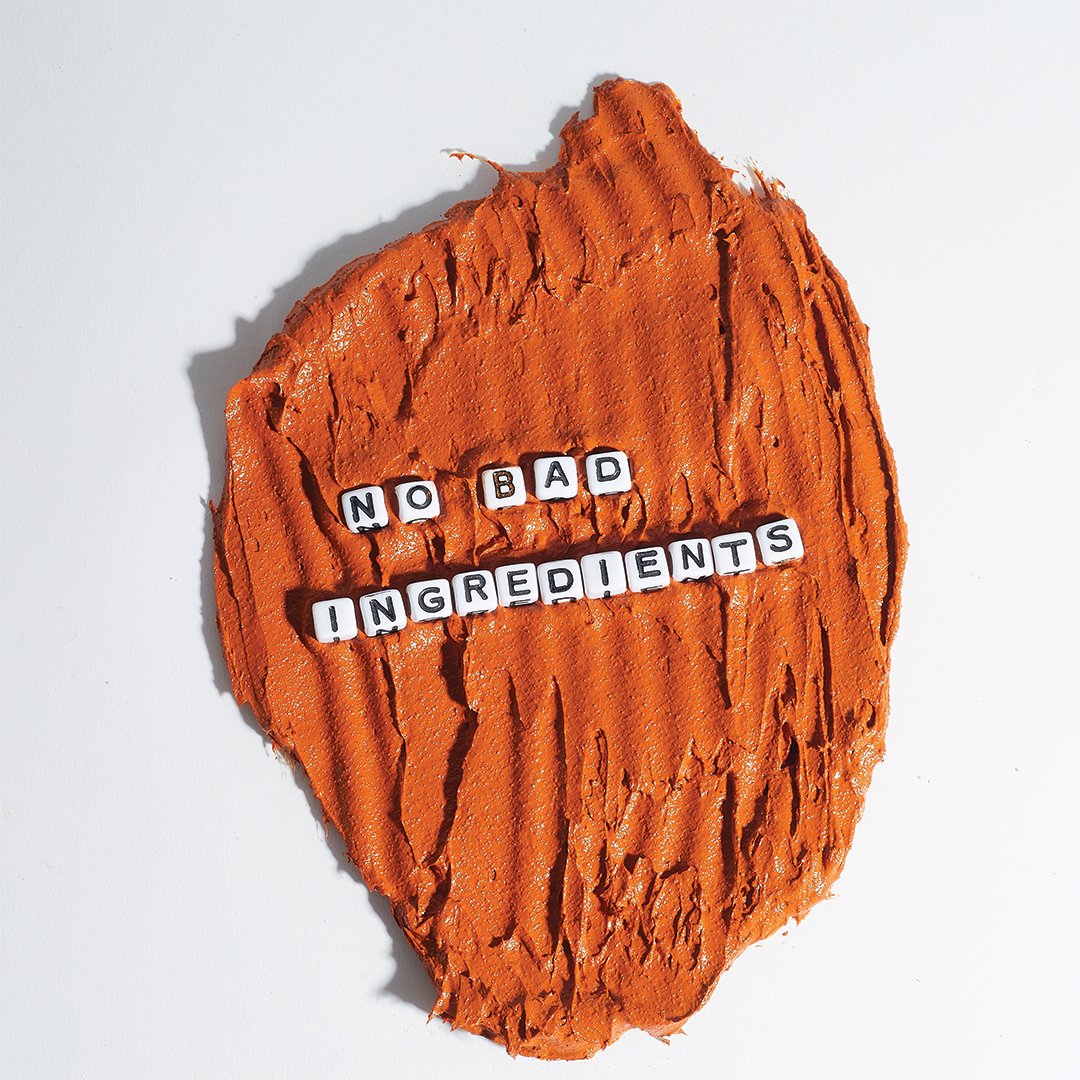
B.A.D. INGREDIENTS WE DON’T USE (AND WHY WE DON’T USE THEM)
| Parabens (Preservative) | Labeled as: methyl-, ethyl-, butyl-, propyl- | Added to products to extend shelf life by inhibiting the growth of microbes, fungi and bacteria. They have been linked to reproductive toxicity, neurotoxicity, immunotoxicity, and skin irritation. |
| Phthalates (Plasticizer and Skin Conditioner) | Labeled as: DBP (dibutyl phthalate), DEP (diethyl phthalate), BPA (Bisphenol) | Banned in the EU, but commonly found in many personal care products sold in the US. Phthalates are used in cosmetics to help ingredients penetrate the skin, extend fragrances' shelf life and maintain flexibility in nail polishes. Phthalates are highly toxic and are absorbed through the skin (and nails). |
| Formaldehyde (Preservative) | Labeled as: Formaldehyde, Quanternium-15, DMDM hydantoin, Imidazolidinyl Urea, Diazolidinyl Urea, Sodium Hydroxymethylglycinate | Found in nail polish and hair smoothing products. Even absent as an ingredient, it can be present from the combination of chemicals such as Bronopol and Quaternium-15 which work together to form formaldehyde-releasing preservatives. Formaldehyde is a known carcinogen, skin irritant and suspected to increase liver toxicity. It also can cause severe allergic rashes which become more likely with long term exposure. |
| Triclosan (Anti-Bacterial) | Labeled as: Triclosan | Antimicrobial pesticide that may actually help create drug-resistant bacteria. Found in toothpaste, antiperspirants / deodorants and shaving creams. Triclosan has been found to be toxic to water environments and may harm the reproductive system as it is shown to disrupt thyroid functions. |
| Artificial Fragrance (Fragrance) | Labeled as: Fragrance, Parfum | A scent, made of a mixture of essential oils and aroma compounds, fixatives, and solvents that you wear on your body to make it smell good. On the ingredients list of a skincare product, artificial or synthetic scents are often listed as ‘fragrance’ or ‘parfum’. This deceivingly simple label can actually contain hundreds or thousands of different chemicals combined and cause damage to the skin such as inflammation, redness, or rash. |
| Silicones (Emollient) | Labeled as: Cyclomethicone, Cyclotetrasiloxane, Cyclopentasiloxane, and Cyclohexasiloxaneand | Primarily used to help smooth and moisten products like deodorants and facial moisturizers. Suspected to harm the reproductive system. |
| Sulfates, SLES, SLS, ALS (Synthetic Antioxidants) | Labeled as: Sodium Laureth Sulfate, Sodium Lauryl Sulfate, Ammonium Laureth Sulfate, Sodium Lauryl Ether Sulfate | Sulfates are cleansing agents that remove dirt and oil and are responsible for creating lather in shampoos and soaps. There are more than 100 different varieties—some synthetic, others obtained from natural sources, like coconut or palm oils. They can also be derived from sulfur- and petroleum-based products. |
| PEGs (Surfactants, Emulsifiers and Skin Conditioners) | Labeled as: PEG, Polyethylene, Polyethylene Glycol, Polyoxyethylene, Ceteareth | A set of petroleum based chemicals, these are often found as cream bases in cosmetics because of their ability to thicken and soften moisture carriers. The main issue with these ingredients is that they frequently contaminated by 1,4-Dioxane, a known carcinogen that penetrates the skin and has been shown to harm the nervous system. |
| Petrolatum (Emollient) | Labeled as: Petroleum Jelly, Mineral Oil | Found in 1 in every 14 personal care and beauty products in the market. There is concern that mineral oil hydrocarbons are a contaminant of the human body. |
| Phenoxyethanol (Preservative) | Labeled as: Phenoxyethanol | Can cause skin and lung irritation. Also toxic to the kidneys, nervous system, and liver, and repeated, long-term exposure can cause organ damage. Toxic effects can occur through inhalation, skin exposure, and ingestion. |